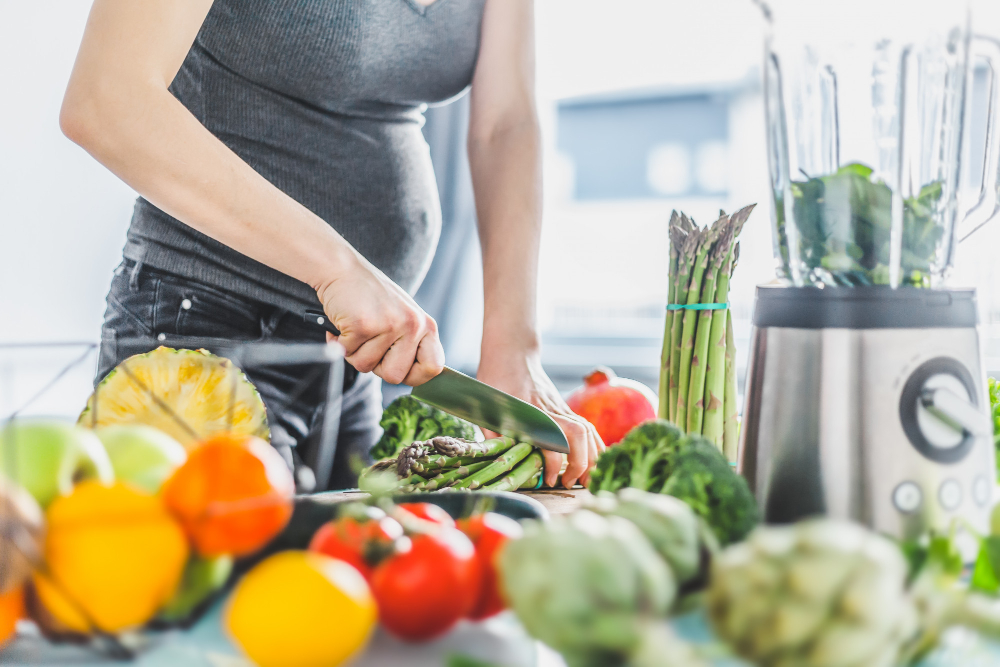
Eating the right foods is very important during pregnancy. A healthy diet in pregnancy helps both mother and baby. Whether you follow a vegetarian pregnancy diet or prefer non-vegetarian pregnancy foods, good pregnancy nutrition is key. In this guide, you will learn about healthy pregnancy meal plans, important nutrients, and tips for both vegetarians and non-vegetarians.
Importance of Diet During Pregnancy
During pregnancy, your body needs extra care. Not only does your baby depend on you for growth, but your health also matters. A balanced diet in pregnancy supports your baby’s brain, bones, and organs. Moreover, it helps prevent problems like low birth weight or anemia. According to the World Health Organization (WHO), good nutrition lowers the risk of birth defects and supports healthy development.
Key Nutrients Needed in Pregnancy
Pregnant women need more nutrients than usual. For example, your body needs extra vitamins and minerals. The Centers for Disease Control and Prevention (CDC) recommends these key nutrients:
Vegetarian Diet in Pregnancy: Foods, Tips, and Sample Meal Plan
Many women choose a vegetarian pregnancy diet. You can get all needed nutrients from plant-based foods. However, you may need to plan carefully. Here are some tips and foods to include:
For example, a simple vegetarian pregnancy meal plan could look like this:
Non-Vegetarian Diet in Pregnancy: Foods, Tips, and Sample Meal Plan
If you eat meat, fish, or eggs, you can still follow a healthy pregnancy meal plan. Non-vegetarian pregnancy foods offer many nutrients. However, you should choose safe and healthy options. Here are some tips:
For instance, a non-vegetarian pregnancy meal plan could be:
Foods to Avoid During Pregnancy
Some foods can be harmful during pregnancy. Therefore, it is best to avoid:
Always wash fruits and vegetables well before eating.
Common Myths About Pregnancy Diets
There are many myths about diet in pregnancy. For example, some people say you must eat for two. However, you only need a little more food, not double. Others think vegetarian diets are unsafe. But, with good planning, they are healthy. Some believe spicy foods harm the baby, but there is no proof. Always check facts with your doctor.
Practical Tips for a Balanced Pregnancy Diet
Staying healthy during pregnancy is easier with simple steps. For instance, you can:
When to Consult a Healthcare Professional
If you have questions about your pregnancy nutrition, talk to your doctor. You should also seek help if you have food allergies, health problems, or trouble gaining weight. A registered dietitian can help you make a healthy pregnancy meal plan that fits your needs. Early advice can prevent problems and keep you and your baby healthy.
For personalized pregnancy diet advice, consult your obstetrician at SB Allergy and Gynae Center.