What is Pneumonia?
Pneumonia is a lung infection that can make it hard to breathe. It happens when germs, such as bacteria, viruses, or fungi, enter the lungs. Because of this, the air sacs in the lungs fill with fluid or pus. As a result, people with pneumonia often feel very sick. Pneumonia can affect anyone, but it is more serious in young children, older adults, and people with weak immune systems. According to the CDC, pneumonia is a leading cause of hospital visits worldwide. Early treatment helps prevent serious problems.
Common Symptoms of Pneumonia
Pneumonia symptoms can range from mild to severe. Sometimes, symptoms appear suddenly. Other times, they develop slowly. Knowing the signs can help you get care quickly. Common symptoms include:Cough, often with mucusFever and chillsShortness of breathChest pain, especially when breathing or coughingFatigue or feeling very tiredLoss of appetiteConfusion, especially in older adults
However, not everyone has all these symptoms. For example, children and older adults may show different signs, such as low energy or confusion.
Causes and Risk Factors
Pneumonia can be caused by many germs. Most often, bacteria or viruses are to blame. Sometimes, fungi can also cause pneumonia, especially in people with weak immune systems. The most common cause in adults is a bacteria called Streptococcus pneumoniae.
Several factors increase the risk of getting pneumonia. These include:Being under age 5 or over age 65Having chronic diseases, like asthma or diabetesSmoking or exposure to secondhand smokeWeakened immune systemRecent cold or fluLiving in crowded places, such as nursing homes
Because of these risks, it is important to take steps to protect your lungs.
How Pneumonia is Diagnosed
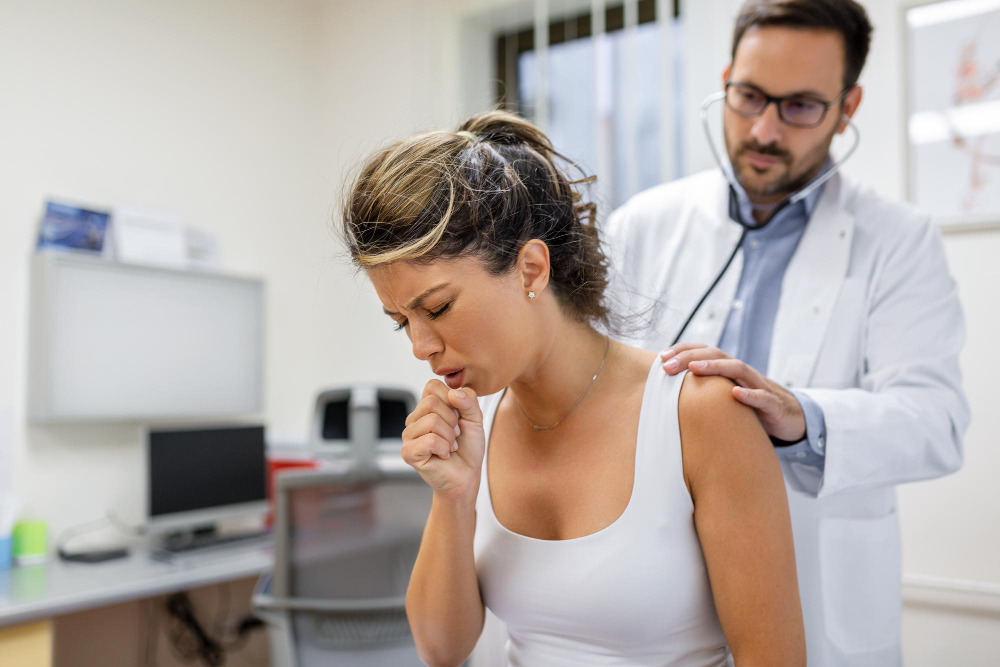
Doctors use several methods to diagnose pneumonia. First, they ask about your symptoms and health history. Next, they listen to your lungs with a stethoscope. Often, they hear crackling or bubbling sounds. In addition, doctors may order tests, such as:Chest X-ray to look for infection in the lungsBlood tests to check for infectionSputum test to find the germ causing pneumoniaPulse oximetry to measure oxygen levels in the blood
Early diagnosis helps start the right treatment quickly. This lowers the risk of serious problems.
Treatment Options for Pneumonia
Treatment for pneumonia depends on the cause and how sick you are. Most people can recover at home. However, some may need hospital care. Common treatments include:Antibiotics for bacterial pneumoniaAntiviral medicines for some viral pneumonia casesFever reducers and pain relieversRest and drinking plenty of fluidsOxygen therapy if breathing is hard
For mild cases, rest and home care are often enough. But, severe cases may need hospital treatment. Always finish your medicine, even if you feel better.
Prevention Tips and Lifestyle Guidance
Preventing pneumonia is possible with a few simple steps. Because germs spread easily, good hygiene is key. Here are some tips to lower your risk:Wash your hands often with soap and waterGet vaccinated against flu and pneumoniaAvoid smoking and secondhand smokeEat a healthy diet to keep your immune system strongStay away from people who are sickClean and disinfect surfaces often
In addition, if you live in a crowded area, try to keep rooms well-ventilated. Local clinics often offer vaccines and advice for preventing pneumonia.
When to See a Doctor
Pneumonia can become serious if not treated early. See a doctor if you have:High fever that does not go downTrouble breathing or chest painBlue lips or fingertipsConfusion or trouble staying awakeSymptoms that get worse instead of better
Early care can prevent problems. Do not wait if you feel very sick or have risk factors.
Conclusion
Pneumonia is a serious lung infection, but early care and prevention help most people recover. If you have symptoms or concerns, consult a healthcare specialist at SB Allergy and Gynae Center for personalized advice on pneumonia.